What Are the Best Knoxville DUI Defense Tactics to Be at DUI Charges?
Facing a DUI in Knoxville can upend your life, reputation, and freedom, but effective DUI strategies in Tennessee often turn the tide in court. In this guide, you’ll discover how to contest illegal traffic stops, dismantle field sobriety test claims, dispute chemical analyses, navigate sentencing guidelines, negotiate plea bargains, leverage expert witnesses, and take immediate steps after a stop. Our team at The Watson Law Firm combines specialized expertise in Tennessee DUI law, a proven track record of favorable outcomes, and compassionate support to help you protect your rights and schedule a free consultation.
How Can You Challenge the Legality of a DUI Traffic Stop in Knoxville?
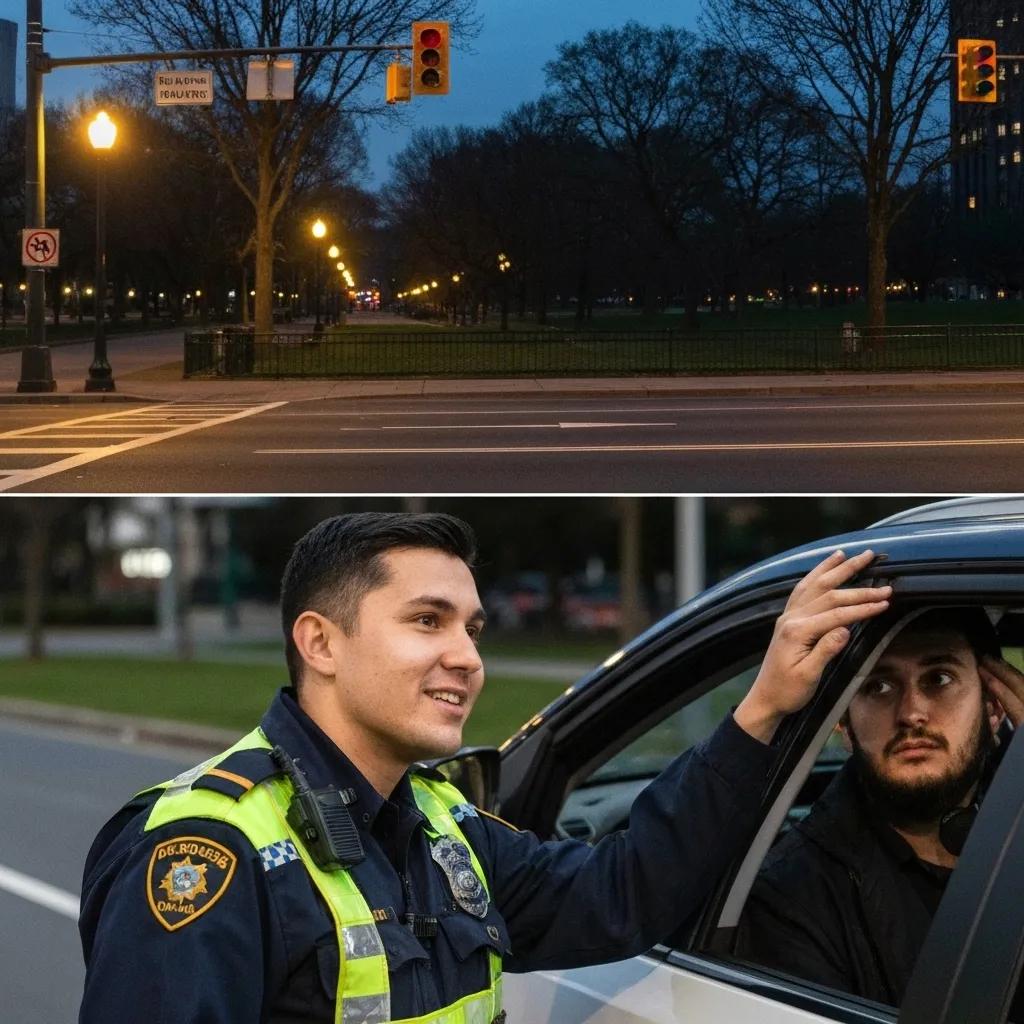
Challenging the legality of a traffic stop focuses on proving that law enforcement lacked reasonable grounds to detain you, which can lead to case dismissal or evidence suppression. Without valid justification, any evidence gathered—interview statements, sobriety tests, or breath samples—may be inadmissible under Tennessee’s constitutional safeguards. Examining probable cause, officer procedures, Miranda compliance, and documentary proof builds a foundation for an aggressive defense.
Tennessee DUI Laws and Procedures
This study examines the legal standards for DUI stops, including probable cause and procedural requirements, and the admissibility of evidence in Tennessee courts. It also covers the importance of Miranda rights and the impact of violations on DUI cases.
Tennessee Department of Safety and Homeland Security, Tennessee DUI Laws (2024)
This source provides a legal framework for understanding DUI laws in Tennessee, which is essential for the article’s discussion of traffic stops and legal procedures.
What Constitutes Probable Cause for a DUI Stop in Tennessee?
Probable cause requires specific, articulable facts that reasonably indicate impairment before an officer initiates a DUI stop. Signs such as weaving lanes, erratic speed, open containers, or slurred speech form the factual basis for a stop. If observations rest on vague suspicion rather than objective indicators, a defense attorney can argue the threshold was never met. Understanding these standards sets the stage for identifying procedural flaws in local DUI arrests.
How to Identify Illegal Traffic Stop Procedures in Knoxville DUI Cases?
Officers must follow strict guidelines when conducting a stop, and deviations can render the encounter unlawful. Common procedural errors include:
- Initiating a stop without clear traffic violations or reasonable suspicion
- Failing to articulate specific observations in the police report
- Extending the stop beyond necessary investigation time
- Using unmarked vehicles or improper signals to pull drivers over
Detecting these flaws often involves comparing dash-cam footage and patrol logs to statutory requirements, revealing inconsistencies that underpin an illegal detention claim.
Can Miranda Rights Violations Affect Your DUI Case in Knoxville?
Yes, a failure to read Miranda warnings before custodial interrogation can bar incriminating statements from trial. When officers ask questions suggesting detention—such as “Where were you coming from?”—without advising the right to remain silent or to an attorney, any admission may be excluded. Suppressing these remarks weakens the prosecution’s narrative and underscores constitutional protections in every DUI defense.
What Evidence Is Needed to Prove an Illegal Traffic Stop?
Establishing an unlawful stop relies on documented proof and credible testimony. Key items include police reports, video recordings, officer dispatch logs, and eyewitness affidavits.
| Document Type | Source | Purpose |
|---|---|---|
| Police Report Excerpt | Knox County Records | Reveals lack of articulable facts |
| Dash-Cam Video | Officer’s Vehicle System | Shows timing or improper signals |
| Dispatch Logs | Radio Transcripts | Proves stop extended beyond scope |
| Witness Affidavit | Civilian Statements | Corroborates behavior inconsistent with cause |
These materials collectively demonstrate that officers initiated or prolonged a stop without legal authority, paving the way for motion practice to exclude evidence.
What Are the Most Effective Defenses Against Field Sobriety Tests in Tennessee?

Field sobriety tests (FSTs) are standardized assessments designed to measure impairment, yet they often fall short of scientific reliability. Challenging FST results can neutralize pivotal evidence by exposing administration errors, physiological factors, and deviations from National Highway Traffic Safety Administration (NHTSA) protocols. An effective approach combines technical objections with expert analysis to cast doubt on any test-based impairment claim.
Field Sobriety Test Standards and Reliability
This research evaluates the reliability of field sobriety tests (FSTs) and the impact of NHTSA standards on their validity. It also discusses the influence of medical and environmental factors on test outcomes.
National Highway Traffic Safety Administration, DWI Detection and Standardized Field Sobriety Testing (2018)
This source supports the article’s discussion of FSTs by providing information on the standards and factors that can affect their reliability.
How Do NHTSA Standards Impact Field Sobriety Test Validity?
NHTSA establishes strict criteria for administering and scoring FSTs, and any departure can invalidate results. Key requirements include proper demonstration, safe testing surfaces, precise timing, and clear instructions. When officers ignore these guidelines, defense counsel can argue that results are unreliable and inadmissible. Proving non-compliance often hinges on comparing patrol training records against observed test conditions.
What Medical or Environmental Factors Can Invalidate Field Sobriety Tests?
Certain health conditions and external conditions skew FST outcomes:
- Inner-ear disorders or neurological conditions affecting balance
- Weather-related hazards such as rain or uneven pavement
- Footwear or physical limitations that impede coordination
Highlighting these factors illustrates that performance errors may reflect legitimate impairments unrelated to alcohol, undermining prosecutor claims of intoxication.
How to Challenge Specific Field Sobriety Tests: HGN, Walk-and-Turn, One-Leg Stand?
When contesting each test, focus on administration flaws, scoring errors, or environmental interference:
- HGN Test – Improper lighting, incorrect angles, or lack of smooth pursuit demonstration.
- Walk-and-Turn – Failure to instruct on heel-to-toe alignment, insufficient practice steps, or unsafe surface.
- One-Leg Stand – Timing inaccuracies, imprecise instructions, or pre-existing conditions.
Pinpointing these defects dismantles the scientific veneer of sobriety examinations by showing that standardized protocols were not followed.
What Role Does Expert Witness Testimony Play in Field Sobriety Test Defense?
Expert testimony from forensic toxicologists or certified FST instructors can critically evaluate test procedures and results. By reconstructing administration methods, demonstrating scoring discrepancies, and explaining physiological limitations, experts provide jurors with an informed framework to question officer conclusions. Strategic deployment of expert analysis often shifts the burden back to the prosecution to prove reliable testing.
| Test Type | Key Challenge | Defense Focus |
|---|---|---|
| Horizontal Gaze | Lighting & angle non-compliance | Officer training and demonstration protocols |
| Walk-and-Turn | Instruction omissions | Safe surface and practice step requirements |
| One-Leg Stand | Timing & balance irregularities | Timing device accuracy and pre-existing issues |
Detailed expert reports amplify these challenges, reinforcing the argument that FST outcomes do not prove impairment.
How Can Breathalyzer and Blood Test Results Be Disputed in Tennessee DUI Cases?
Chemical tests are often presented as definitive proof of intoxication, yet calibration errors, biological factors, and handling mistakes frequently undermine accuracy. Disputing breathalyzer and blood results involves scrutinizing maintenance logs, identifying procedural deviations, and explaining physiological processes through expert analysis. A robust challenge can exclude or diminish chemical evidence, tilting the case toward dismissal or reduced charges.
What Are Common Breathalyzer Accuracy Issues in Knoxville DUI Cases?
Breathalyzer errors arise from multiple sources:
- Improper calibration schedules or outdated maintenance
- Residual mouth alcohol from recent burping or dental procedures
- Device malfunctions, power fluctuations, or software glitches
- Officer operator error in test administration
Exposing these flaws often requires accessing service logs and expert examination of device performance records.
How Does the Rising BAC Defense Work in Tennessee DUI Law?
The rising BAC defense argues that alcohol absorption continues after driving, meaning a test administered later yields a higher reading than at the time of operation. By obtaining blood draw times and comparing pharmacokinetic curves, experts can reconstruct blood alcohol levels at the moment of driving. This tactic can demonstrate that a driver was under the 0.08% limit while on the road, introducing reasonable doubt.
What Are Chain of Custody and Blood Sample Handling Errors?
Maintaining an unbroken, well-documented chain of custody is critical for blood samples. Potential issues include:
- Unlabeled or mis-labeled vials
- Gaps in documented transfer between personnel
- Improper storage temperatures or contamination risks
- Incomplete accession logs
Highlighting these lapses calls into question the integrity of blood evidence and may lead to suppression.
When Should Expert Witnesses Be Used to Challenge Chemical Test Results?
Deploy chemical analysis experts when the case pivots on test accuracy, such as in:
- Rising BAC reconstructions
- Breathalyzer calibration audits
- Blood sample integrity disputes
These specialists translate complex technical data into persuasive courtroom testimony, reinforcing objections and creating reasonable doubt about chemical findings.
What Are the Penalties and Sentencing Guidelines for DUI Offenses in Knoxville?
Understanding DUI penalties in Tennessee informs strategic defense decisions by revealing potential consequences and leverage points for negotiation. Penalties escalate with prior offenses, high BAC readings, and aggravated factors. When clients grasp the stakes—jail time, fines, license suspension, and treatment requirements—they make informed choices about challenges, plea offers, or trial.
| Offense Level | Jail Time | Maximum Fine | License Suspension |
|---|---|---|---|
| First Offense DUI | Up to 11 months, 29 days | $1,500 | Minimum 1 year |
| Second Offense DUI | 45 days to 11 months, 29 days | $3,500 | Minimum 2 years |
| Third Offense DUI | 120 days to 11 months, 29 days | $10,000 | Minimum 3 years |
| High BAC or Aggravated | Enhanced sentencing range | Up to $15,000 | Extended under court order |
What Are the Penalties for First Offense DUI in Tennessee?
A first offense DUI carries up to 11 months and 29 days of jail time, fines up to $1,500, mandatory alcohol screening, and a minimum one-year license suspension. Ignition interlock devices may reduce suspension periods when installed. Recognizing these limits helps clients weigh the benefits of defense tactics or plea negotiations.
How Do Repeat Offender Penalties Differ in Knoxville DUI Cases?
Second and third offenses trigger higher mandatory minimums, longer suspensions, and increased fines. Consecutive convictions within ten years can elevate charges to felony status, carrying significant prison exposure. Charting these escalations guides strategic decisions about challenge viability and plea considerations.
What Are License Suspension and Ignition Interlock Device Requirements?
Under Tennessee’s implied consent law, refusal to submit to chemical testing results in automatic license revocation. An ignition interlock device (IID) may be required for reinstatement, ensuring clients understand both compliance pathways and potential technical hurdles for daily transportation.
How Can Understanding Penalties Influence Your Defense Strategy?
Familiarity with sentencing guidelines empowers defense counsel to:
- Prioritize motions to suppress evidence that, if granted, may lead to dismissal.
- Negotiate plea offers that limit suspension periods or avoid ignition interlock mandates.
- Advise clients on post-conviction compliance plans and potential diversion programs.
This strategic insight ensures every decision aligns with the client’s short- and long-term interests.
How Do DUI Plea Bargains and Negotiations Work in Tennessee?
Plea bargaining resolves over 90% of DUI cases in Tennessee, allowing negotiated reductions in charges or penalties. By presenting alternative sentencing proposals—such as reckless driving instead of DUI—skilled negotiators secure more favorable outcomes without risking trial. Understanding common plea options and pitfalls positions clients to make informed choices under pressure.
What Are Common Charge Reductions in Tennessee DUI Plea Deals?
Typical reductions include:
- Amending DUI to reckless driving to avoid suspension and significant fines
- Waiving mandatory ignition interlock requirements
- Proposing deferred prosecution with probation and treatment programs
These options often yield reduced criminal records and faster license reinstatement, aligning resolution with individual goals.
When Is Accepting a Plea Bargain Advisable in Knoxville DUI Cases?
Accepting a plea makes sense when:
- Key evidence survives suppression challenges
- BAC readings are indisputable and expert attacks are unlikely
- Clients risk enhanced penalties due to prior convictions
Counsel assesses case strengths, client priorities, and courtroom risks before recommending whether to proceed to plea negotiations or trial.
How Can Skilled Negotiation Improve Your DUI Case Outcome?
An experienced Knoxville DUI attorney leverages knowledge of local prosecutors, judges, and court customs to secure:
- Reduced fines and jail alternatives (community service)
- Shortened license suspensions or IID waivers
- Dismissal of aggravating enhancements
Negotiation skill bridges legal expertise with human factors, crafting resolutions that preserve mobility and minimize collateral consequences.
What Are the Risks and Benefits of Plea Bargaining?
Weighing plea agreements involves balancing:
- Benefit of swift resolution and predictable penalties
- Risk of permanent plea on record, affecting employment and insurance
- Waiver of trial rights and potential appeals
Informed consent to plea deals ensures clients retain autonomy while resolving cases efficiently.
What Role Do Expert Witnesses Play in Knoxville DUI Defense Tactics?
Expert witnesses reinforce defense theories by translating complex technical data into credible courtroom testimony. From toxicologists to accident reconstructionists, each expert anchors a piece of the defense puzzle, creating an integrated assault on prosecution evidence. Recognizing when and how to deploy these specialists elevates defense strategies beyond standard motions practice.
How Can Forensic Toxicologists Support DUI Defense in Tennessee?
Forensic toxicologists analyze blood and breath data, reconstruct absorption curves, and challenge lab procedures. Their assessments can confirm rising BAC scenarios, identify metabolic anomalies, and explain how medical conditions affect readings. This technical insight undercuts chemical evidence reliability.
What Is the Importance of Breathalyzer and Blood Test Experts?
Certified breath-test technicians and medical laboratory specialists verify device calibration, quality control records, and sample integrity. By highlighting maintenance failures or procedural deviations, they demonstrate reasonable doubt concerning test results.
How Do Accident Reconstructionists Contribute to DUI Cases?
Accident reconstructionists examine crash scenes, vehicle dynamics, and road conditions to challenge narratives of erratic driving. Their simulations may reveal alternative explanations for observed behavior, shifting focus from impairment to environmental or mechanical factors.
When Should You Request Expert Witness Testimony?
Engage experts when critical evidence hinges on technical details—high BAC readings, contested FST outcomes, or disputed accident causes. Early identification ensures experts have adequate time for analysis, report preparation, and trial readiness.
What Immediate Steps Should You Take If Pulled Over for DUI in Knoxville?
Your conduct during and immediately after a DUI stop shapes the entire defense. Remaining calm, knowing your rights, and making strategic decisions about testing can preserve critical defense options. Understanding constitutional protections, the implications of refusal, and the timing of attorney contact lays a practical foundation for later challenges.
What Are Your Constitutional Rights During a DUI Traffic Stop?
You have the right to remain silent, the right to refuse consent to vehicle searches without a warrant, and the right to contact an attorney before custodial interrogation. Asserting these rights courteously but firmly prevents inadvertent admissions and secures later suppression arguments.
Can You Refuse Field Sobriety or Breathalyzer Tests in Tennessee?
You may politely decline field sobriety tests without penalty, but Tennessee’s implied consent law makes breath or blood test refusal trigger automatic license revocation. Weighing these choices requires understanding consequences for refusal versus potential test inaccuracies.
How Should You Communicate with Law Enforcement to Protect Your Case?
Remain polite, answer only identification questions, and ask if you are free to go. Avoid voluntary statements about alcohol consumption or driving behavior. These communication tactics minimize self-incrimination and preserve arguments against procedural violations.
When Is It Crucial to Contact a Knoxville DUI Attorney?
Contact a DUI attorney immediately after the stop, ideally before the first hearing. Early consultation ensures preservation of evidence, timely filing of suppression motions, and strategic planning of expert involvement. Swift action maximizes the chances of favorable outcomes.
Note: Always seek personalized legal advice for your specific circumstances.
Facing a DUI charge is daunting, but challenging traffic stops, field sobriety and chemical tests, understanding penalties, negotiating skillfully, and engaging expert witnesses form a comprehensive defense. By following these best tactics and acting promptly, you strengthen your case and protect your future. Contact The Watson Law Firm today for a free consultation and ensure your rights are fully defended.